




Uncompromising Quality.
Engineered for Excellence.
Every module is manufactured and verified through a rigorous quality-control system designed to deliver bankable performance, structural reliability, and long-term confidence across utility-scale, commercial, and industrial applications.
Global
International Manufacturing Standards
3x EL
Triple-Stage Electroluminescence Inspection
Zero-Defect
Precision-Oriented QC Mindset
Harsh Climate
Engineered for Extreme Environments
Global Manufacturing Standards
Philadelphia Solar applies rigorous manufacturing and quality-control practices designed to support consistency, reliability, and long-term confidence across demanding solar projects.
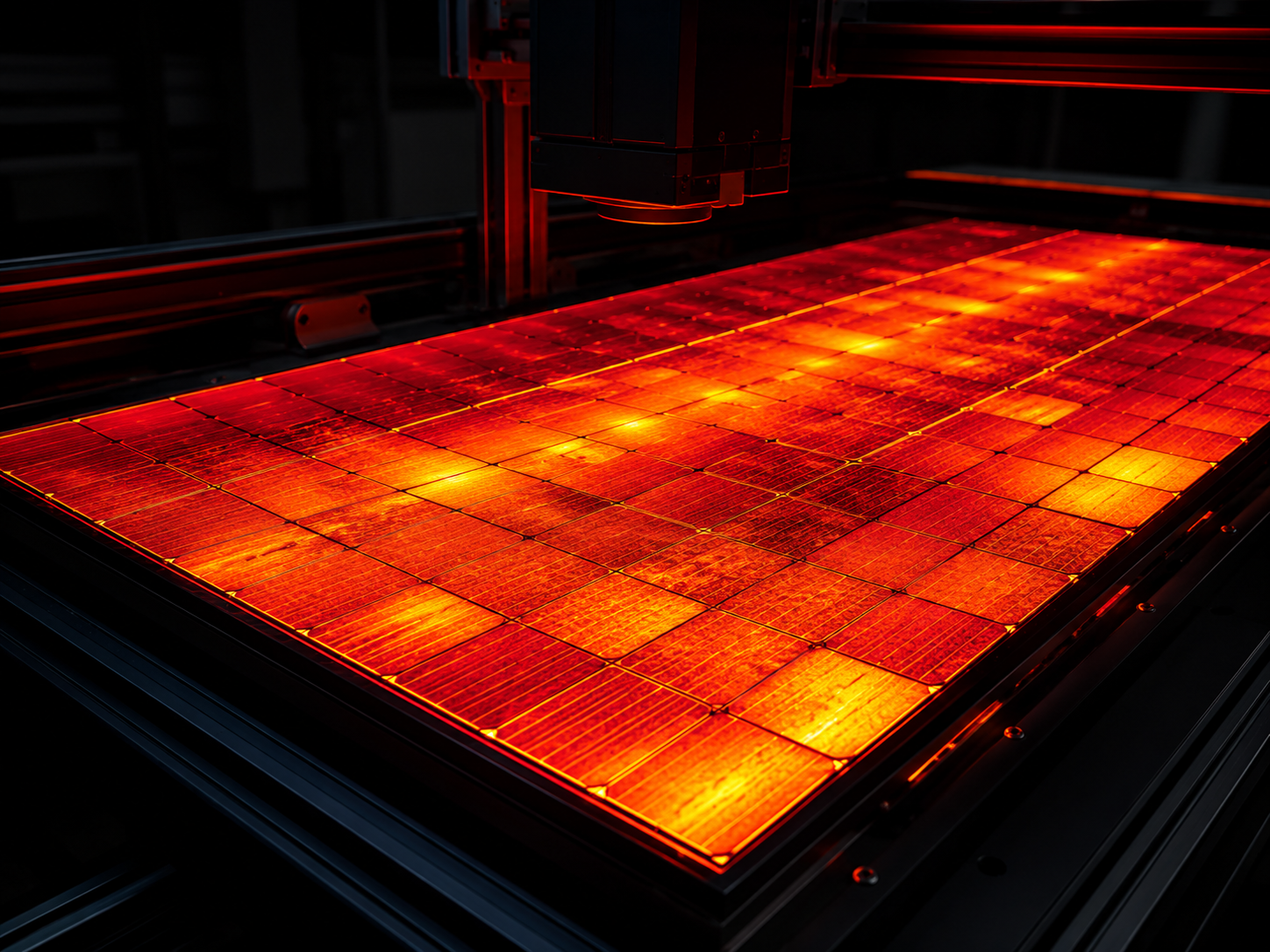
Triple-Stage EL Testing
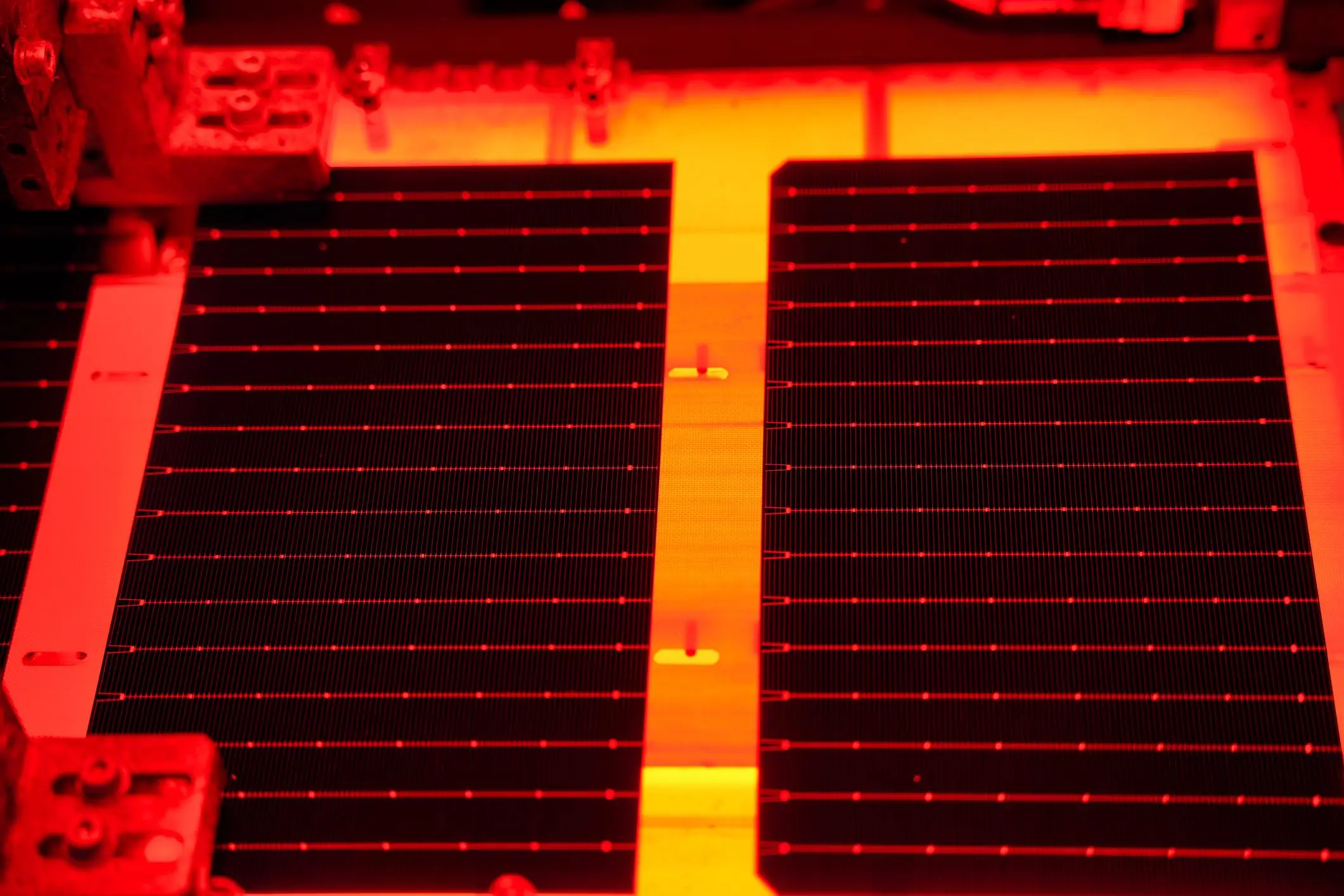
Every module undergoes Electroluminescence inspection at three critical production stages: before lamination, immediately after lamination, and during final validation. This advanced process enables earlier detection of microcracks, cell damage, soldering defects, and other hidden abnormalities before shipment.
Environmental Endurance
Our modules are engineered to withstand the harshest operating conditions, from abrasive desert sand and high humidity to demanding snow loads and temperature extremes across diverse environments.
Quality Checked at Every Critical Stage.
Our quality discipline is embedded throughout the manufacturing flow, ensuring consistency from incoming materials and multi-stage EL inspection to final outgoing inspection during container loading.
Incoming Material Inspection
Raw materials and components are verified before entering production to ensure compliance with approved technical specifications and quality standards.
In-Line Process Monitoring
Production parameters are monitored continuously to reduce variation, maintain precision, and protect consistency throughout the manufacturing line.
Pre-Lamination EL Inspection
Electroluminescence imaging is performed before lamination to identify cell cracks, soldering abnormalities, ribbon misalignment, and other hidden defects before the module is permanently sealed.
Post-Lamination EL Inspection
A dedicated EL inspection is performed immediately after lamination to detect microcracks, cell damage, soldering defects, or internal abnormalities that may develop during the thermal lamination process. This earlier-stage verification strengthens production control and distinguishes our quality process from conventional inspection systems.
Final EL & Electrical Validation
Each completed module undergoes final EL inspection together with electrical, insulation, grounding, and performance testing before approval for sorting and packaging.
Final Release & Packaging Inspection
Only modules that meet structural, visual, electrical, labeling, serial-number, and packaging requirements are cleared for shipment.
Outgoing Inspection & Container Loading Control
During pallet loading into containers, the Quality Control team verifies pallet condition, quantities, labels, serial numbers, packaging integrity, container cleanliness, and loading arrangement to ensure every shipment leaves the factory in approved condition.
Finding Hidden Imperfections Before They Matter.
Advanced inspection methods help eliminate internal faults before modules reach the field, protecting long-term energy yield and project reliability.
Post-Lamination Defect Identification
Dedicated EL imaging immediately after lamination reveals microcracks, cell damage, soldering defects, and internal abnormalities at an earlier stage, before final module assembly and shipment.
Fault Isolation Before Shipment
Modules showing hidden anomalies are isolated before release, minimizing the risk of performance degradation in live projects.
Long-Term Performance Confidence
Defect-free modules support higher dependability, stronger field performance, and greater confidence for developers, EPCs, and investors.
Built to Perform. Verified to Last.
Quality is not treated as a final checkpoint, but as an integrated discipline embedded throughout the manufacturing journey.
Rigorous Multi-Stage Verification
From incoming materials to final module validation, every production stage is governed by strict quality procedures designed to maintain consistency at scale.
Precision Without Compromise
Our quality-control philosophy is built around minimizing variation, preventing hidden faults, and supporting dependable long-term field performance.
Reliability That Supports Investment
By combining advanced testing, disciplined quality control, and environmental resilience, our modules provide the confidence required by developers, EPCs, and investors alike.
Contact Our Quality Team.
Have a question about quality control, EL inspection, testing standards, certifications, outgoing inspection, or technical compliance? Send your inquiry directly to our Quality Department for professional review and assistance.