Less sunlight reaches cells
Dust particles can block, scatter, or reflect some of the incoming solar radiation before it reaches the photovoltaic cells.

Dust buildup on solar panels can obstruct sunlight, reduce the energy reaching photovoltaic cells, and lower system output—particularly when modules remain uncleaned for long periods.
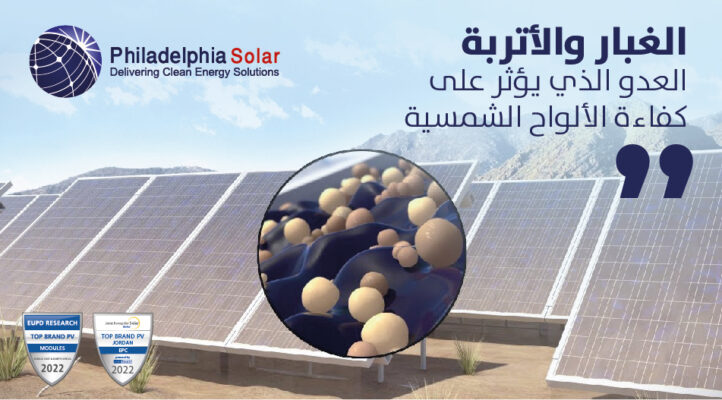
Dust and airborne particles are among the environmental factors that affect the operation of photovoltaic systems. As particles accumulate on the front glass, less solar radiation reaches the cells, which can lead to lower electricity generation.
The source article cites a potential 20%–50% reduction in performance under some prolonged dust-accumulation conditions. This is not a universal loss rate: the actual impact varies with the site, severity of soiling, and time since cleaning.
Soiling does more than change how modules look: it can affect the amount and distribution of sunlight reaching their cells.
Dust particles can block, scatter, or reflect some of the incoming solar radiation before it reaches the photovoltaic cells.
Lower irradiance at the cell surface can translate into a reduction in electricity generation and system performance.
Uneven soiling or localized shading can, under certain conditions, contribute to hot spots that warrant inspection.